
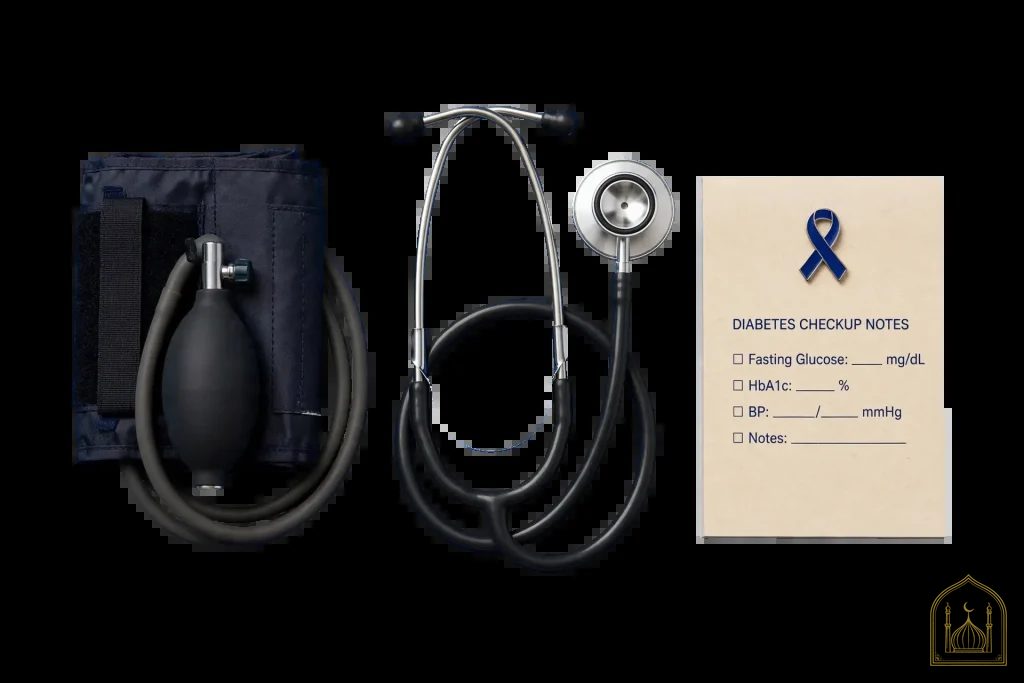
Thousands of pilgrims do Umrah every year with diabetes, high blood pressure or a heart condition — and do it safely. The journey is harder with a long-term condition, because of the heat, the walking, the crowds and the change of routine. The answer is not to stay home; it is to plan, to carry what you need, and to know when to stop and ask for help.
← Back to Health & Medical Care Near the Haram
Should I talk to my doctor before travelling with a chronic condition?
Yes — this is the first step, not an afterthought. The Saudi Ministry of Health advises pilgrims with a chronic condition to carry documentation of the condition and sufficient medicines in original packaging, and public health guidance says to ask your doctor what exercise and walking is right for you. Tell your doctor your travel dates, your hotel, and how much walking the rituals involve. Ask what to do if you miss a dose, what warning signs to watch for, and whether any medicine needs adjusting in the heat. Take a written summary of your condition, your medicines and your doses — the Ministry advises using the International Patient Summary for this.
How do I look after diabetes on Umrah?
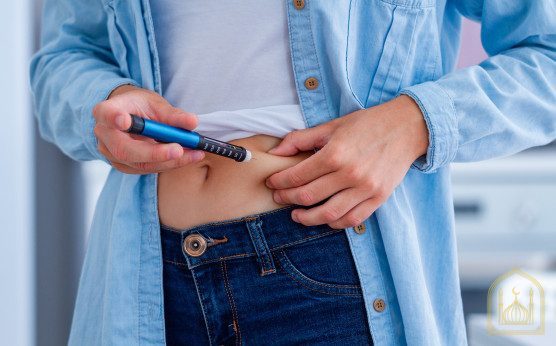
Bring a glucose meter and enough test strips, and check your sugar more often than at home, because heat, walking and changed meal times all move it around. Keep your medicines and insulin cool while travelling — heat damages insulin, so carry it in a cool bag and never leave it in a hot car or in direct sun. Eat regular meals, carry a small snack and some fast sugar in your day bag, and drink water often. Check your feet every night for cuts or blisters, however small — a foot wound in a diabetic pilgrim needs a doctor promptly. Carry a card that says you have diabetes, in case you cannot speak for yourself.

How do I manage blood pressure in the heat?
Take your prescribed medicine at the same time every day, without missing doses — the public health guidance for pilgrims is clear on this: monitor your blood pressure regularly, take your medicine consistently, follow a low-salt diet, avoid stress and anxiety, stay hydrated, and get enough rest. Heat and dehydration push blood pressure around, so drink water often and rest in the shade. If you take a water tablet (diuretic), ask your own doctor before travel whether the dose needs adjusting in the heat — the Ministry of Health notes that medicines which increase urination can worsen dehydration.
What about a heart condition?
Carry your medicines, your doctor’s letter, and a note of your condition and your cardiologist’s advice. Avoid the hottest hours and the most crowded times. Rest after each ritual instead of pushing on to the next one. If you feel chest pain, pressure, or sudden breathlessness, stop at once and call an ambulance on 997 — do not try to walk to a hospital. The public health guidance for pilgrims says to seek immediate help at the nearest health centre for heart warning symptoms, and that is the right advice: minutes matter.
How do I handle the long walking days?
Build up your walking before you travel — the public health guidance suggests at least 150 minutes of moderate activity a week, or 30 minutes of brisk walking a day if you are starting from nothing. Break the rituals into shorter sessions with rest in between. Use a wheelchair for Tawaf and Sa’i when you are strained. Stay with your group so someone always knows where you are and how you feel. And eat and drink on time: long gaps between meals are hard on diabetes and on blood pressure alike.
When should I seek help at once?
Call 997 or 911, or go to the nearest health centre, if you have chest pain, trouble breathing, a very high or very low blood sugar reading that will not settle, fainting or confusion, or a foot wound that is red, hot or swollen. Do not wait until the rituals are finished. The health centres inside and around the Haram, and the hospitals in Makkah and Madinah, deal with pilgrims every day — see our hospital guides for the names.
Frequently Asked Questions
Can I do Umrah if I have diabetes?
Yes — with planning: carry your meter and medicines, check your sugar more often, keep insulin cool, eat and drink on time, and check your feet every night.
Should I change my blood pressure medicine in the heat?
Only your own doctor can decide that. Ask before travel, especially if you take a water tablet (diuretic).
What should I do if I get chest pain?
Stop at once and call an ambulance on 997. Do not try to walk to a hospital.
What paperwork should I carry?
A doctor’s letter with your condition, medicines and doses — the Ministry of Health advises using the International Patient Summary — plus your medicine packets.
Please note: this guide shares general information for pilgrims, not medical advice. Health rules and personal needs differ from person to person, so speak to your own doctor before you travel and follow their advice.