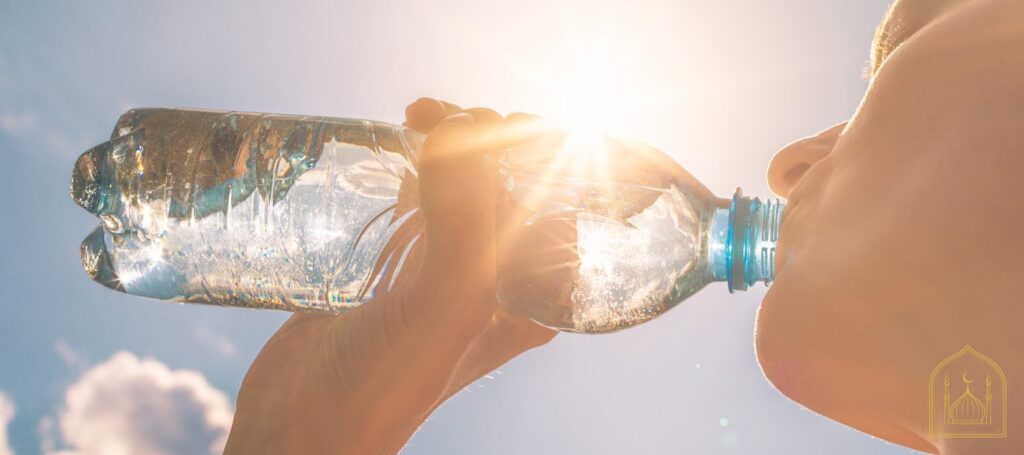
Makkah is hot for most of the year, and the rituals are done outdoors, in the sun, on foot, in crowds. Every year pilgrims collapse from heat — and most of those cases could have been prevented with water, shade and timing. The advice below comes from the Saudi Ministry of Health and the Ministry of Hajj and Umrah. Read it before you travel, not after you feel ill.
← Back to Health & Medical Care Near the Haram
How hot does it get, and who is most at risk?
Makkah and Madinah are desert cities, and summer temperatures regularly pass 40°C. Older pilgrims are at the highest risk, and the Ministry of Health singles them out in its heat advice. People taking medicines that increase urination or interfere with how the body handles heat — such as some water tablets (diuretics) — should ask their own doctor before travel whether the dose needs adjusting. Children, pregnant women and people with heart trouble also need extra care in the heat.
How much water should I drink?
Drink water often, even if you do not feel thirsty — that is the Ministry of Health’s own advice. Do not wait until you are thirsty, because by then you are already short of water. Carry a water bottle everywhere and refill it often. Drink a little at a time through the day rather than a large amount at once. Water is the safest choice; very sweet drinks do not hydrate as well. Pilgrims often drink Zamzam water during the journey as part of their own practice — but note that the Ministry of Health does not list Zamzam as its recommended hydration measure, so treat plain water as your main protection.
When should I avoid the sun?
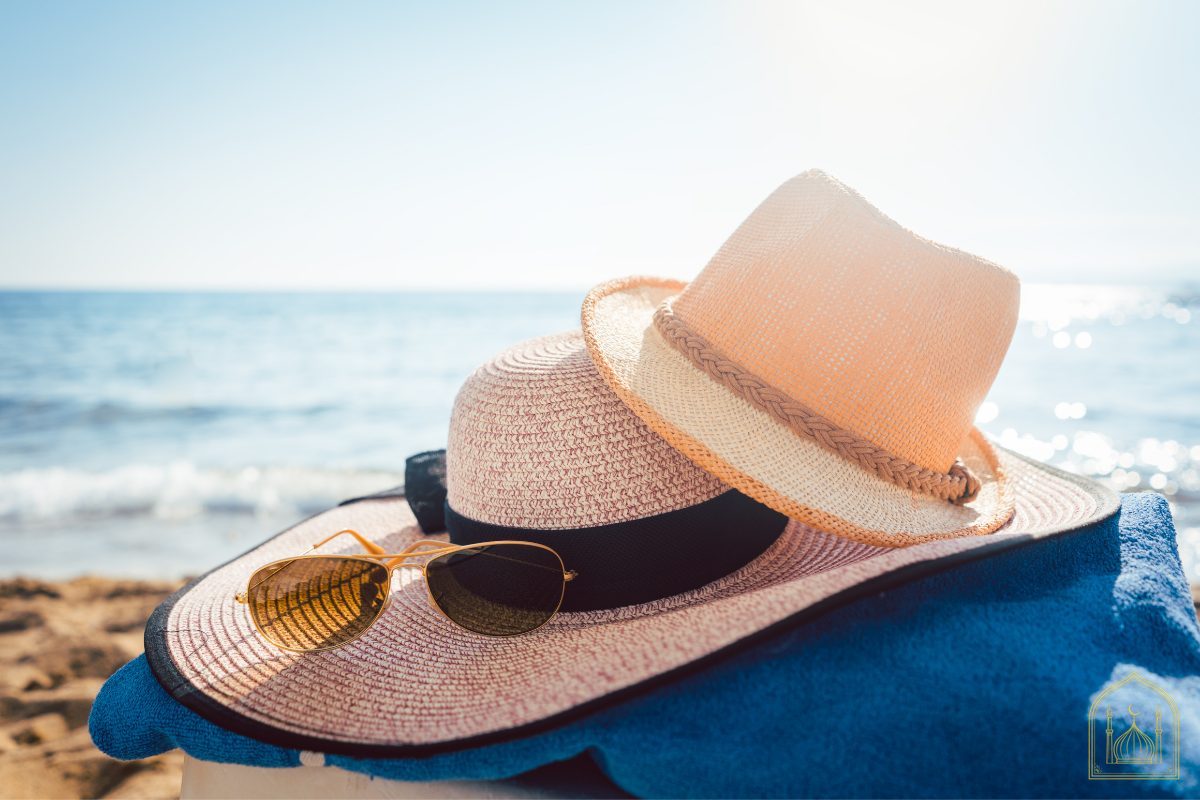
The Ministry of Health advises pilgrims to avoid direct sun between 10 in the morning and 4 in the afternoon, and to avoid walking on hot surfaces. Plan Tawaf and Sa’i for the early morning or after sunset when you can. If you must be out at midday — and many pilgrims are — use an umbrella, wear a hat or cap, and wear sunglasses. The Ministry of Hajj and Umrah notes that Tawaf at noon is a common place for sunstroke, so that is the hour to be most careful.
What should I wear in the heat?
Loose, light-coloured, light and breathable clothing. Dark, tight clothes trap heat. An umbrella is one of the best tools a pilgrim owns in Makkah — it shades you from the sun and costs almost nothing. Wear comfortable shoes that protect your feet from hot ground; never walk barefoot on hot marble or paving in the midday sun.
How do I spot heat illness early?
The early warning signs named by the Ministry of Health are headache, dizziness, heavy sweating, intense thirst and nausea. If you feel any of these, move into the shade at once, cool your body with water, and drink fluids. Rest after each ritual instead of pushing on. Tell someone in your group how you feel — heat illness gets worse fast when a person tries to carry on alone. If the signs do not pass quickly, go to the nearest health centre.
What do I do if someone has heatstroke?
Move them to a cool place at once, take off outer clothing, and cool the body with water — especially the head and neck. Use air conditioning or a fan if there is one. Give them drinks if they are awake and can swallow. Then call the emergency services on 997 or 911 and get them to the nearest health facility. Do not leave them alone, and do not give them anything to eat or drink if they are confused or unconscious.
Frequently Asked Questions
How do I know if I am dehydrated?
Headache, dizziness, heavy sweating, intense thirst and nausea are the early signs named by the Ministry of Health. Drink water and move to shade at once.
Is Zamzam water enough to stay hydrated?
Pilgrims drink Zamzam as part of their own practice, but the Ministry of Health’s advice is to drink water frequently — keep plain water as your main protection.
What time of day is most dangerous in the heat?
Between 10 in the morning and 4 in the afternoon, says the Ministry of Health. Plan outdoor rituals for early morning or evening when you can.
Should older pilgrims take extra care?
Yes — the Ministry of Health’s heat advice singles out older people, and anyone taking medicines that affect hydration should ask their own doctor before travel.
Please note: this guide shares general information for pilgrims, not medical advice. Health rules and personal needs differ from person to person, so speak to your own doctor before you travel and follow their advice.