
Most pilgrims never need a hospital — but knowing which ones serve the Haram area before you need them saves frightening minutes. The hospitals below are named by the Saudi Ministry of Health as the ones that serve pilgrims in Makkah. We list their names and what the Ministry says about them; we do not give distances or walking times, because no official source publishes them, and a guess would be worse than no number at all.
← Back to Health & Medical Care Near the Haram
Which hospital is closest to the Haram in an emergency?
Ajyad Emergency Hospital. The Ministry of Health says it serves patients in the Holy Mosque and the central area around it, 24 hours a day, and it supervises two health centres inside the Holy Mosque itself. It has 52 beds — 32 for emergencies and 20 for inpatients, including intensive care and cardiac intensive care — with CT scanning, ultrasound and heart echo. For a sudden emergency inside the Haram, this is the hospital the Ministry points pilgrims to, and serious cases are moved on to King Abdullah Medical City in Makkah.
Are there clinics inside the Grand Mosque itself?
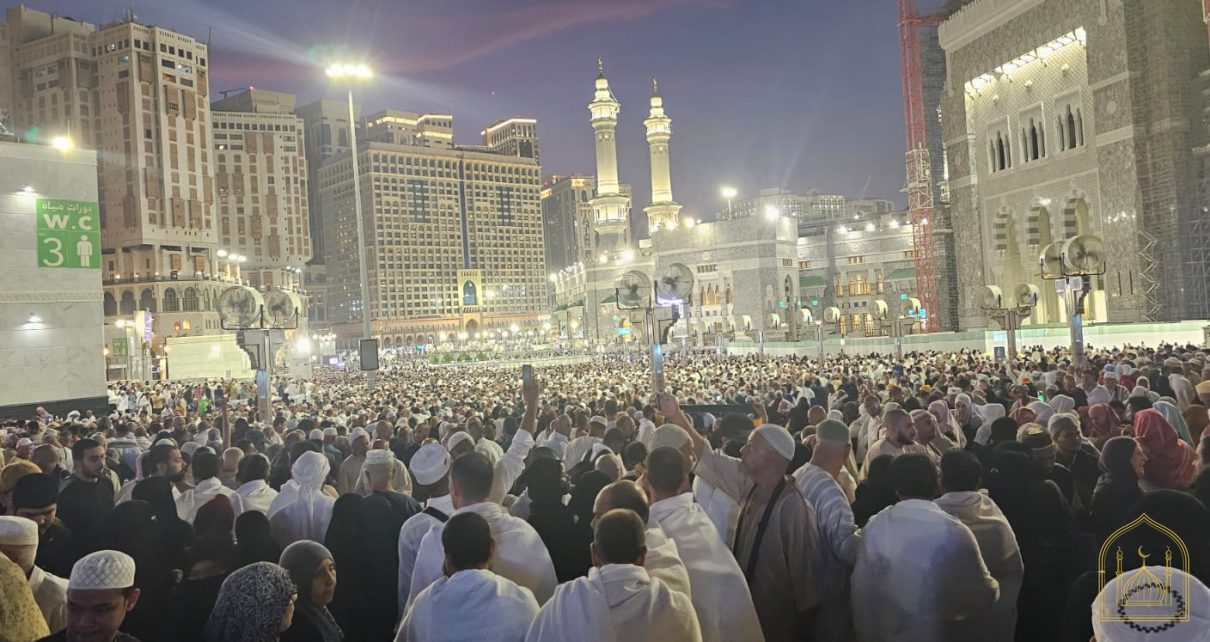
Yes. Al-Haram Hospital operates in the northern courtyards of the Grand Mosque and runs three emergency centres in the Holy Mosque’s corridors. Along with the two health centres supervised by Ajyad Hospital, these are the first places to ask for inside the Haram. If you feel unwell during Tawaf or prayer, tell the nearest Haram staff member — they can take you to a health centre faster than you can find it alone.
Which other hospitals in Makkah treat pilgrims?
The Ministry of Health names Al-Noor Specialist Hospital, King Faisal Hospital, King Abdulaziz Hospital, Hira General Hospital and the Maternity and Children Hospital as Makkah hospitals whose emergency departments deal with all cases. King Abdullah Medical City in Makkah is the referral hospital that serious cases are transported to. These are large general hospitals, not Haram-only clinics, and they handle everything from broken bones to heart trouble.
What about maternity and children’s care in Makkah?
The Maternity and Children Hospital in Makkah is named by the Ministry among the hospitals serving pilgrims. If a pregnant pilgrim or a child needs hospital care, this is the specialist hospital to ask for. Our pregnancy guide explains when a pregnant pilgrim should seek hospital care at once — bleeding, unusual discharge, severe contractions, migraine with confused vision, or a high temperature.
What should I take with me to the hospital?
Your passport, your hotel name and address, a list of your medicines and allergies, and your travel insurance details if you have them. If you take regular medicine, bring the packets — the boxes show the doctor exactly what you take. Bring a family member or group leader who can speak for you if you feel too ill to talk. And keep the emergency numbers with you: ambulance 997, unified emergency 911, health advice 937.
Can I walk to a hospital from my hotel?
That depends on where your hotel is and how ill you are — and we do not publish walking times, because no official source gives them. If you are seriously unwell, call an ambulance on 997 rather than trying to walk. For a minor problem, ask your hotel reception which clinic is nearest and whether they can call a taxi. Hotels near the Haram deal with this every day and will know the quickest way to help.
Frequently Asked Questions
Which hospital is nearest to the Haram in Makkah?
Ajyad Emergency Hospital serves the Holy Mosque and the central area around it, day and night, and it runs two health centres inside the Holy Mosque.
Are there health centres inside the Grand Mosque?
Yes — Al-Haram Hospital runs three emergency centres in the Holy Mosque’s corridors, and Ajyad Hospital supervises two health centres inside the mosque.
Where do serious cases go?
Serious cases are transported to King Abdullah Medical City in Makkah, the referral hospital.
Do Makkah hospitals treat children?
Yes — the Maternity and Children Hospital in Makkah is among the hospitals named by the Ministry of Health for pilgrims.
Please note: this guide shares general information for pilgrims, not medical advice. Health rules and personal needs differ from person to person, so speak to your own doctor before you travel and follow their advice.