
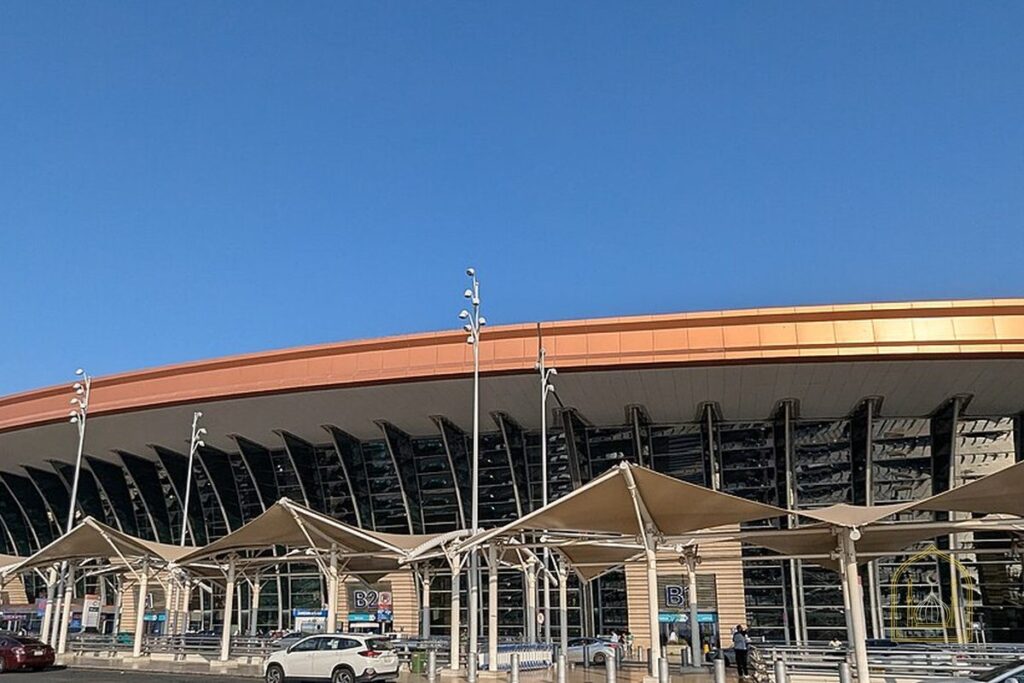
The visa and the flight are the two costs you pay before you even land in Saudi Arabia — and they’re the two that trip people up most. Get the visa wrong and your flight is wasted; book the flight badly and you pay double. This guide to visa and flight costs sets out the fees, the routes and the ways to keep both down, using figures we checked on 23 November 2026. All figures are in Saudi riyals (SAR). SAR 100 is about USD 27, £20 or PKR 7,400, and the riyal is pegged at SAR 3.75 to the dollar.
What does the Umrah visa cost?
The visa is the smallest line in most trip budgets, but the price depends on which route you take:
- Umrah visa through an agent or Nusuk: about SAR 300 for the visa itself, plus SAR 100–180 for the mandatory health insurance — so roughly SAR 400–480 in all.
- Saudi tourist eVisa (online): about SAR 535, insurance included. It covers Umrah as well as tourism, and it suits pilgrims who want to travel on their own.
- Visa on arrival: about SAR 480 at the airport, for nationalities that qualify.
- Stopover visa: about SAR 52.50 in total, for a stop of up to 96 hours on a Saudia or flynas ticket.
- Nusuk packages: ready-made Umrah packages on the Nusuk platform start from about SAR 800 and run to about SAR 6,500, covering visa, hotel and ground services in one price.
Fees change, and they vary a little by nationality, so check the figure on Nusuk or the Saudi visa portal before you pay — don’t trust a price quoted by a friend who travelled last year. Nusuk is the official platform for Umrah visas, so start there or with a licensed agent you trust.
Who qualifies for which visa?
The route you take depends on your passport:
- Umrah visa: open to Muslims of any nationality, applied for through Nusuk or a licensed travel agent. You need a passport valid for at least six months and a passport photo that meets the rules.
- Tourist eVisa: open to citizens of the countries on the eVisa list — including the UK, the US, Canada, most of Europe, Australia and Japan — and to residents of the GCC. It also covers holders of a valid US, UK or Schengen visa who have used it at least once.
- Visa on arrival: the same group as the eVisa, for those who’d rather sort it at the airport. It costs about SAR 480, but the queues can be long, so the eVisa is usually the calmer choice.
- Stopover visa: for anyone flying Saudia or flynas with a stop in Saudi Arabia of up to 96 hours — a good fit if you want a short Umrah on the way somewhere else.
Children need their own visa, and their own passport. Women can now travel for Umrah without a mahram, but check the current rules for your nationality before you book, because they do change.
How do I apply for the visa?
Through Nusuk, the steps are straightforward: create an account, pick Umrah, fill in your details, upload a passport photo and a scan of your passport, choose your insurance, and pay. Most eVisas come back within a day or two, often within hours. Through an agent, you hand over your passport and photo and they do the rest — which suits first-time travellers, but check the agent is licensed and get the price in writing before you hand anything over. The mistakes that delay people are almost always the same: a photo that doesn’t meet the rules (plain background, no glasses, face forward), a passport with less than six months left, or a name spelt differently from the passport. Get those three right and the rest is quick.
How much are flights?
We won’t give you a single flight price, because there isn’t one. A seat from Karachi, Lahore, London or New York to Jeddah in a quiet month can cost half what the same seat costs in Ramadan, and the airline, the stopover and how early you book all pull the price around. What we can say with confidence is this:
- Book early. Six to ten weeks ahead is usually the sweet spot. Last-minute seats in peak weeks are the dearest tickets on the plane.
- Compare Jeddah and Madinah. Flying into Madinah saves you the Jeddah–Makkah transfer, but Jeddah usually has more flights and more competition, so compare both before you book.
- Ramadan, school holidays and the weeks before Hajj are the dearest times to fly. If your dates can move by a week, the saving can be big.
- Check what the fare includes. A cheap ticket with 20 kg of luggage and no meal can cost you more than a dearer one once you add bags, food and a seat together.
- Watch the stopover. A long stopover in a Gulf hub can save money, and with the stopover visa at about SAR 52.50 it can even buy you a short Umrah on the way.
How can I cut the cost of the flight and visa?
- Fly midweek. Tuesday and Wednesday departures are usually cheaper than Friday and Saturday.
- Be flexible by a day or two. Moving a flight by 24 hours can change the price by a third in peak weeks.
- Book the visa yourself if you qualify. The eVisa at about SAR 535 is often cheaper than an agent’s package once their fee is added — but only if you’re comfortable doing it online.
- Compare a package with doing it yourself. A package bundles the visa, flight, hotel and transfers, and for first-timers that certainty is worth money. For seasoned travellers, booking each part separately is usually cheaper. Our budget vs mid-range vs premium comparison shows both.
- Check the luggage allowance before you pay. Excess baggage at the airport is dear — read our hidden costs guide before you pack.
What else do I pay at the airport?
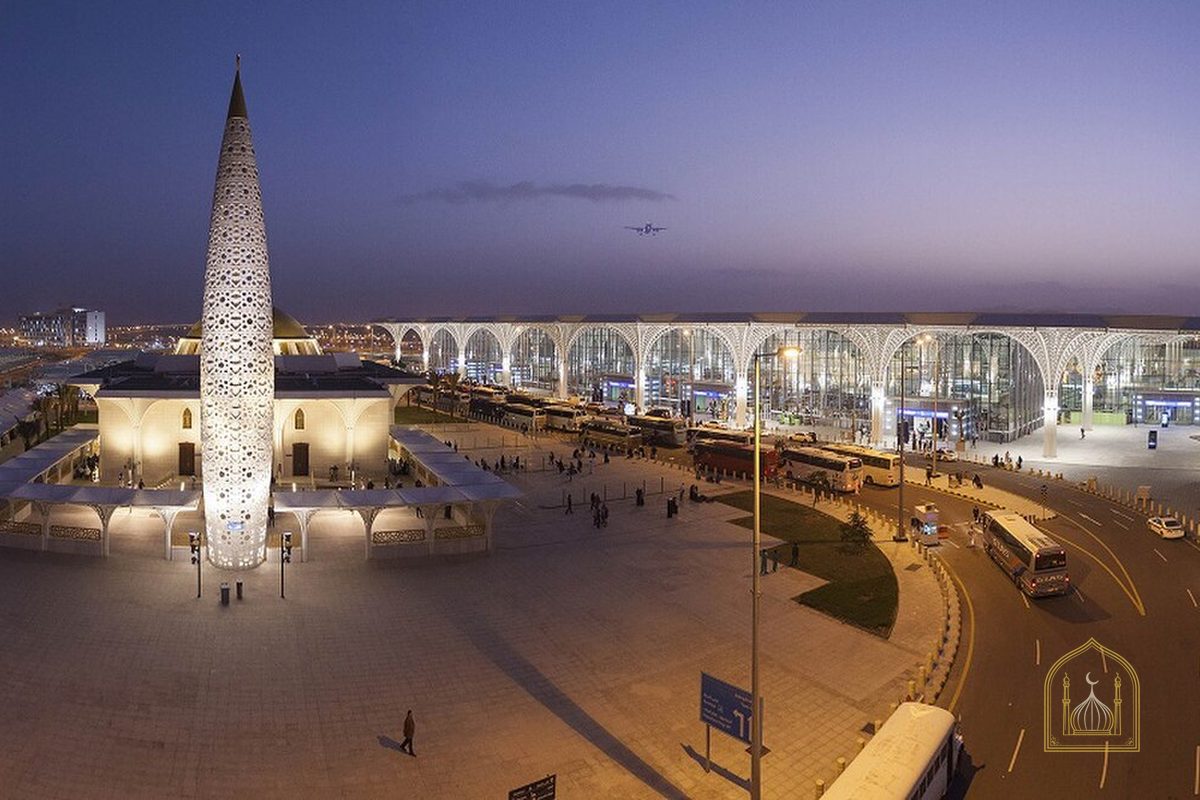
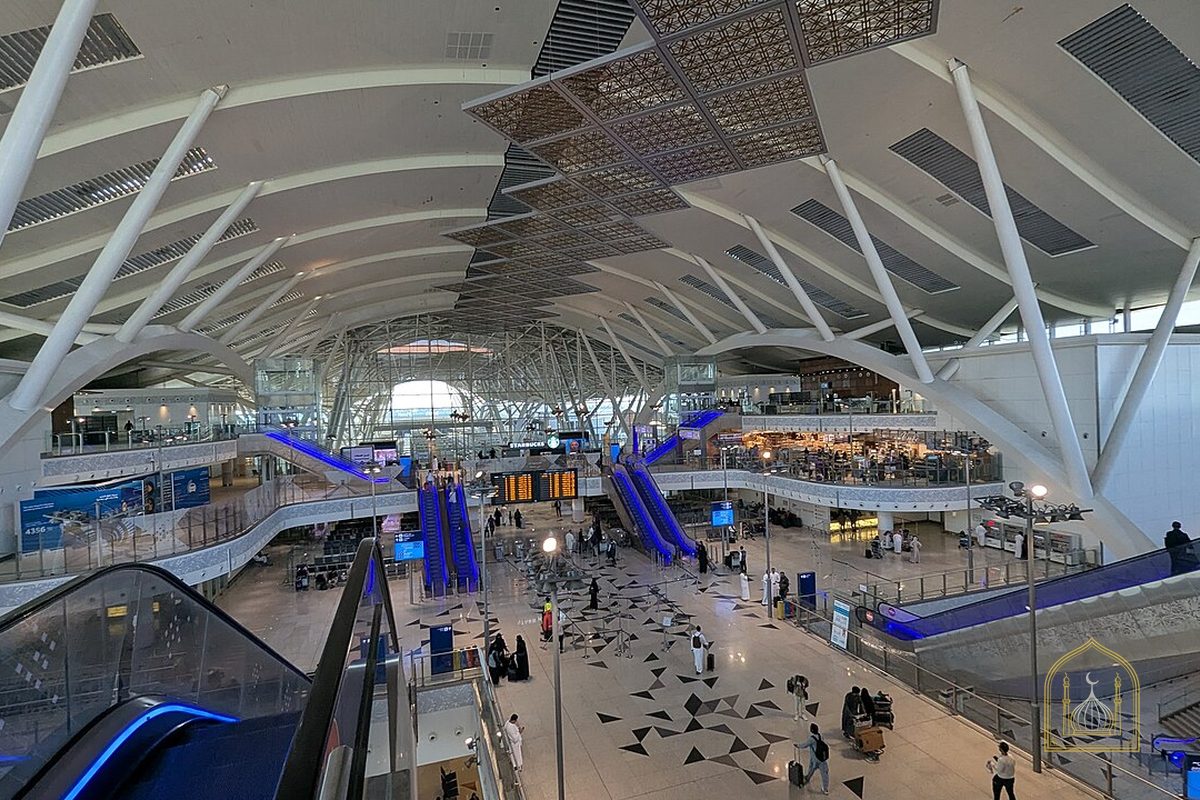
A few costs land on arrival: the taxi or train from the airport (about SAR 170–300 by taxi from Jeddah to Makkah, or from SAR 65 on the train; SAR 75 by official taxi from Madinah airport to the Haram), a visitor SIM if you buy one at the airport, and a Zamzam bottle for the flight home. Our local transport costs guide covers the airport runs, and our SIM and mobile data guide covers the phone. Keep SAR 200–300 in cash handy when you land, so the first taxi, SIM and bottle of water are covered before you find an ATM.
For the full trip total, read our Umrah cost breakdown, and for where your money goes once you arrive, see our daily budget in Makkah and daily budget in Madinah guides.
Frequently asked questions
How much is an Umrah visa in 2026?
About SAR 300 for the visa plus SAR 100–180 for mandatory health insurance — roughly SAR 400–480 in all. A tourist eVisa is about SAR 535 online, or about SAR 480 on arrival for nationalities that qualify.
Do I need a visa for Umrah?
Yes, unless you hold a passport that qualifies for the tourist eVisa or visa on arrival — in which case that visa also covers Umrah. Everyone else needs an Umrah visa through Nusuk or a licensed agent.
How long does an Umrah visa take?
Most eVisas come back within a day or two, often within hours. An Umrah visa through an agent usually takes a few working days. Apply at least two weeks before you fly, in case anything needs fixing.
Is it cheaper to fly into Jeddah or Madinah?
Jeddah usually has more flights and more competition, so fares are often lower — but you then pay for the Jeddah–Makkah transfer. Compare both, including the transfer, before you book.
What is the stopover visa?
A visa for a stop of up to 96 hours in Saudi Arabia on a Saudia or flynas ticket, costing about SAR 52.50 in total. It suits a short Umrah on the way to somewhere else.